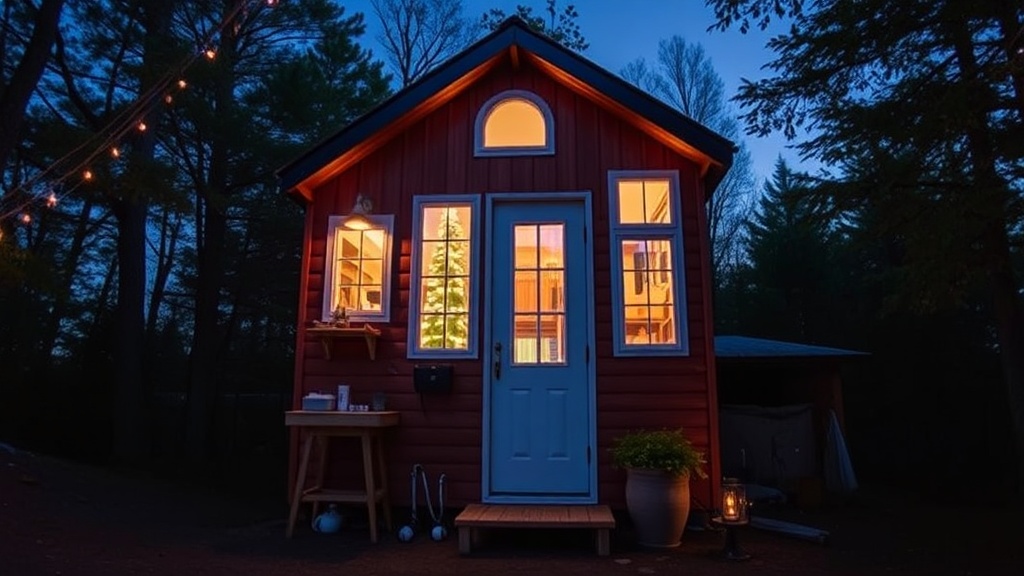
Unleashing the Upward Potential: Smart Vertical Design for Tiny Homes

Does your tiny home sometimes feel a little… well, tiny?
Living small doesn't mean sacrificing comfort or functionality. In fact, it often means embracing clever design principles that make every square inch count—especially the vertical ones. This post will explore innovative strategies for extending your living space upwards, revealing how thoughtful vertical design can unlock surprising storage, enhance aesthetics, and create a more expansive feel in even the most compact dwellings. We'll delve into custom built-ins, multi-functional furniture, and often-overlooked opportunities to transform your small footprint into a surprisingly spacious sanctuary.
How can built-in storage truly transform a tiny home?
The beauty of built-in storage in a tiny home lies in its seamless integration. Unlike freestanding furniture, which can eat into precious floor space and interrupt visual flow, custom cabinetry and shelving become an intrinsic part of the structure. Think beyond mere shelves; envision entire walls dedicated to smart storage solutions that blend into the home's architecture. Consider a custom media unit, for example, that not only houses your entertainment system but also incorporates closed cupboards for board games, open cubbies for books, and perhaps even a pull-out desk for a discreet workspace. This kind of thoughtful design ensures that everything has a designated place, minimizing clutter and maximizing utility.
Multi-functional furniture is another powerful ally in the quest for vertical optimization. Murphy beds, often dismissed as relics of bygone eras, have evolved dramatically. Modern designs frequently include integrated shelving, wardrobes, or even sofas that appear when the bed is stowed away. Imagine a wall unit that serves as a comfortable lounge area by day and effortlessly transforms into a sleeping sanctuary at night, all while concealing bedding and personal items within its vertical framework. These pieces are not just space-savers; they're space-makers, allowing a single area to serve multiple purposes throughout the day. For inspiring examples of architectural integration and how storage can become a primary design element, platforms like