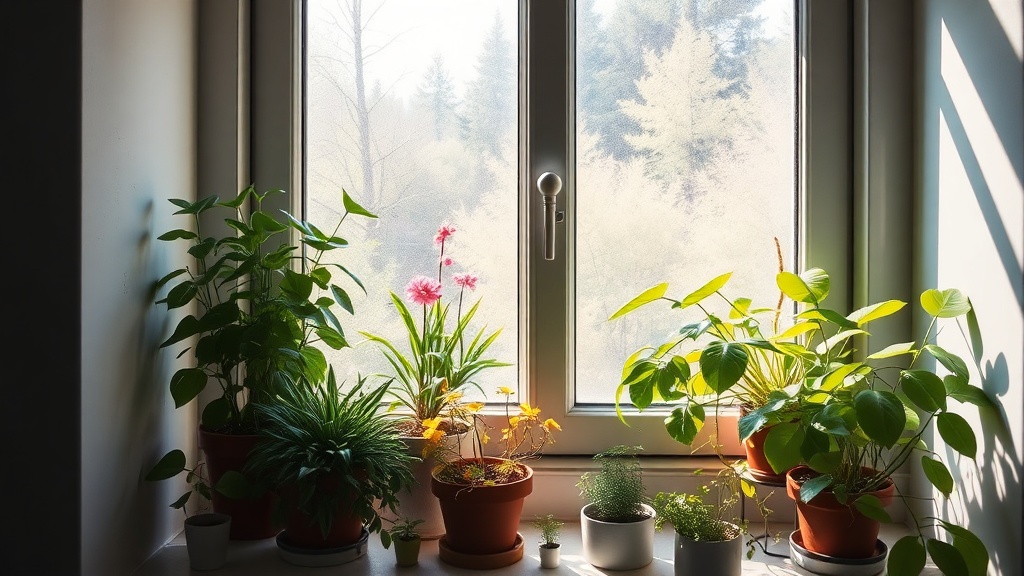
Transforming Small Windowsills into Lush Micro-Gardens

A single windowsill sits empty, catching nothing but a few dust motes and a stray ray of sunlight. It’s a wasted square foot of real estate in a small home where every inch counts. This post looks at how to turn those narrow-strip surfaces into productive, green zones through micro-gardening. We’ll look at the best plant types for low light, the right hardware for tiny spaces, and how to manage moisture without making a mess on your floor.
Living small means you can't always have a sprawling backyard garden. Sometimes, your "outdoors" is just a pane of glass and a few inches of wood or stone. But a windowsill isn't just a ledge—it's a potential ecosystem.
What are the best plants for small windowsills?
The best plants for small windowsills are those with shallow root systems and low-maintenance water needs. Succulents, herbs, and small-leafed tropicals work best because they won't outgrow their containers in a single season. If you have a north-facing window, you'll want to stick to low-light varieties like Snake Plants or Pothos. If you have a south-facing window, you have much more room to play with sun-loving herbs like basil or rosemary.
When choosing your greenery, consider the "footprint" of the plant. A trailing plant like a String of Pearls looks great, but it can quickly take over a desk or a kitchen counter. On the other hand, a compact herb like thyme stays exactly where you put it.
Here is a quick breakdown of plant types based on light requirements:
| Light Level | Plant Examples | Best For |
|---|---|---|
| High Light (South Window) | Basil, Jade Plant, Lavender | Kitchens & Sunny Lofts |
| Medium Light (East/West) | Mint, Aloe Vera, Geranium | Living Areas |
| Low Light (North Window) | ZZ Plant, Snake Plant, Ferns | Bedroom or Bathroom |
Don't forget about the drainage situation. Most people buy a cute pot, stick a plant in it, and realize too late that it has no way to let excess water out. This leads to root rot—a silent killer for windowsill gardens. If you love a specific ceramic pot that doesn't have holes, use a "cachepot" method. Keep the plant in a plastic nursery pot with holes, and just set that inside the decorative one. It's a simple fix that saves your plants.
How do you prevent water damage on wooden windowsills?
You prevent water damage by using waterproof trays or waterproof liners under every single container. Water is the enemy of wood, and even a tiny leak can cause swelling or mold over time. If you're living in a tiny home or a studio, a damp windowsill isn't just a mess—it's a structural threat to your window frame.
I’ve seen plenty of people try to save money by skipping the saucer, only to find a water stain on their wood in three weeks. It's a mistake you only make once. Instead, look for specialized solutions. You can use small, heavy stone saucers or even specialized IKEA plant trays that are designed to catch runoff.
If you're working with a very narrow ledge, standard saucers might be too wide. In those cases, look for "slimline" trays or even use a small plastic tray from a craft store. Another trick? Use a layer of pebbles at the bottom of your pot. This creates a reservoir for excess water so the roots stay hydrated without the pot sitting in a puddle.
It's also worth noting that many modern tiny homes use composite materials or metal around windows. If you have metal or stone sills, you're in luck—you have much more leeway with moisture. But if you're in an older cottage or a wood-framed house, treat that ledge like it's made of gold.
If you're looking to maximize your space elsewhere, you might want to check out my previous post on vertical storage hacks. While a windowsill is a horizontal surface, the logic of using every available inch is the same.
Which lighting-friendly containers are best for small spaces?
The best containers for small spaces are lightweight, narrow-profile pots that maximize verticality rather than width. You want to avoid heavy terracotta if your windowsill is a thin ledge, as the weight can cause bowing or stress on the frame. Instead, look for high-quality plastics, lightweight resin, or even fabric pots.
When you're shopping, keep these three things in mind:
- The Weight Factor: A heavy stone pot might look great, but it's a lot of weight to put on a narrow-profile ledge. Resin or plastic mimics the look of stone without the heft.
- The Depth Factor: Not all windowsills are deep. Measure your ledge before you go to the store. If your ledge is only 4 inches deep, a standard round pot won't fit. You'll need rectangular or "trough" style planters.
- The Drainage Factor: Always check if the container is "self-watering." Self-watering pots are a lifesaver for busy people, but they can be a bit bulky for a tiny home.
If you're feeling a bit more adventurous, you can even use hanging planters that attach to the top of the window frame. This keeps the actual sill clear for other things—like your coffee cup or your book—while still giving you the greenery. This is a great way to utilize the "air space" above the ledge.
I've always found that the "look" of the container is just as important as the plant itself. In a small home, clutter is the enemy. If you have five different mismatched plastic pots, the windowsill will look messy. Try to stick to a consistent color palette or material. If you use all white ceramic or all matte black plastic, the greenery becomes the star of the show, and the setup feels intentional rather than accidental.
If you're worried about the cost of starting a garden, don't be. You don't need a professional setup. You can find basic supplies at any local nursery or even a big-box store. Just be sure to check the USDA Plant Hardiness Zone Map (or your local equivalent) to see what actually grows well in your climate. There's no point in trying to grow a tropical hibiscus if your window faces a cold, shaded alleyway in the middle of a Canadian winter.
One thing to watch out for is the "heat sink" effect. Windows can get incredibly hot in the summer and incredibly cold in the winter. This temperature swing can shock your plants. If you notice your leaves turning brown or crispy, it's likely the direct sun or the draft from the glass. Moving the plant just a few inches back from the glass can make a massive difference in its survival rate.
For those who are truly tight on space, consider a "tiered" approach. Instead of placing pots side-by-side, use a small riser or a specialized windowsill shelf. This allows you to stack plants vertically, effectively doubling your growing area without increasing the footprint. It’s a simple way to add depth and visual interest to a flat surface.