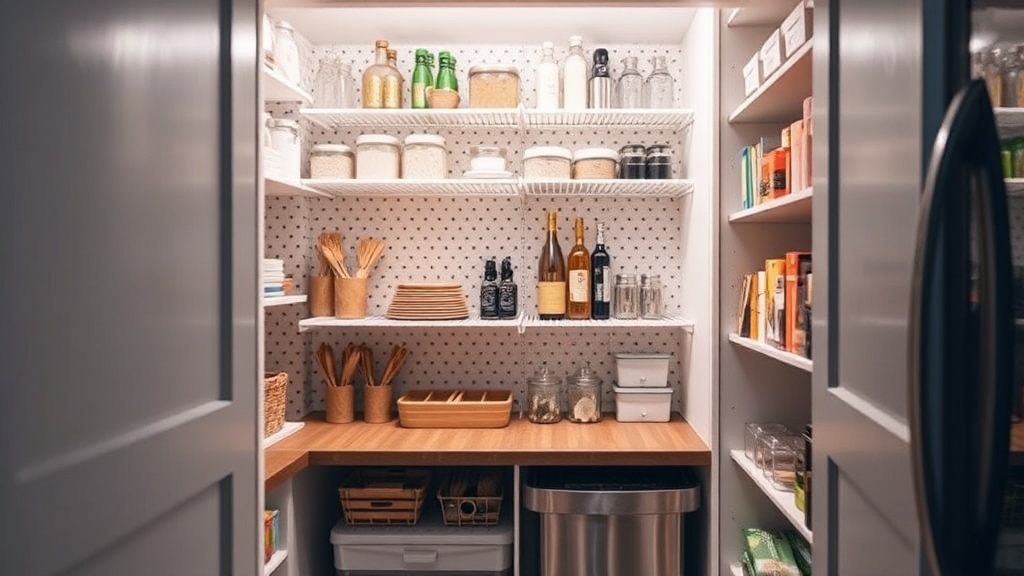
Smart Ways to Organize Small Kitchen Pantries Without Wasting Space

Does your tiny kitchen feel like it's running out of room?
Kitchen organization isn't just about keeping things neat; it's about making sure you can actually reach your coffee beans without moving five other jars. In a small home or a tiny house, every inch of a pantry or a cupboard counts. If you've ever felt the frustration of a cluttered shelf where things go to die, you know that standard storage solutions often fail us. This post covers practical, physical ways to reorganize your food storage so you can actually see what you own and stop buying duplicates.
When space is tight, the biggest enemy is depth. Standard shelves are often deep enough that items get lost in the back—a phenomenon I call the "black hole" effect. To fix this, you need to bring the back forward. We'll look at how to use tiered systems, clear containers, and smart-sized bins to keep your ingredients accessible and visible.
How can I make more room in a small pantry?
The first step to gaining room isn't buying new things; it's changing how you use the space you already have. Most people fail to use the verticality of their pantry. Instead of just stacking cans on a shelf, look for ways to use the height of the cabinet.
1. Use Tiered Spice Racks
If you have a deep shelf, you'll never see the spices in the back. A tiered riser (sometimes called a "stadium seating" setup for jars) allows you to see the labels of the back row over the front row. This prevents you from buying a second jar of cumin just because you couldn't find the first one.
2. Implement Pull-Out Bins
Rather than reaching into a dark corner, use long, narrow bins that act like drawers. When you need something, you pull the entire bin out. This turns a deep, unusable shelf into a functional drawer system. You can find great inspiration for these types of organizational tools at The Spruce, which offers various home organization tips.
3. Decant into Uniform Containers
Cereal boxes, pasta bags, and flour sacks are bulky and uneven. They take up way more room than they should. By decanting dry goods into stackable, airtight containers, you eliminate the "dead air" found in traditional packaging. This also helps keep food fresh longer, which is vital when you don't have a massive pantry to spare.
What are the best ways to organize a tiny kitchen cupboard?
Cupboards are often the most disorganized part of a small kitchen. Things get jammed in, and things break. To keep your cupboards functional, you need to think about the weight and the frequency of use.
- Heavy Items Low: Keep your heavy flour bins or bulky appliances on the lowest shelves to prevent the need to lift heavy weights over your head.
- Clear Canisters for Visibility: If you can't see it, you won't use it. Use clear containers for things like rice, lentils, or even snacks. It's a simple visual cue that tells you when you're running low.
- Stackable Solutions: Look for containers designed to nest or stack perfectly. If your jars are all different shapes, they will create wasted gaps between them.
One of the most common mistakes is buying "space-saving" gadgets that actually take up more room due to their bulk. Before you buy a new organizer, measure your shelf depth and height. If the organizer itself is bulky, it might actually decrease your usable space. You want tools that are slim and efficient.
How do I keep my small pantry organized long term?
The secret to long-term organization isn't just the setup; it's the maintenance. If you don't have a system for putting things back, the organization will fail within a week.
A good rule of thumb is the "one in, one out" method. If you buy a new specialty ingredient, try to finish or donate an old one. In a tiny home, clutter builds up much faster than in a traditional house. If you're a fan of cooking, check out Food Network for recipe ideas that might help you use up those pantry staples before they expire.
The "First In, First Out" Rule
When you come home from the grocery store, don't just shove the new items in the front. Move the older items forward and put the new ones in the back. This ensures you aren't wasting money on food that expires before you even touch it. It's a simple habit, but it saves a massive amount of money and prevents pantry clutter.
Lastly, be ruthless with your "junk" items. If you have a half-empty bag of a snack you haven't touched in months, toss it or donate it. In a small space, you can't afford to store "maybe" items. Every item in your pantry should be something you actually use. If it's just taking up space, it's not serving you.