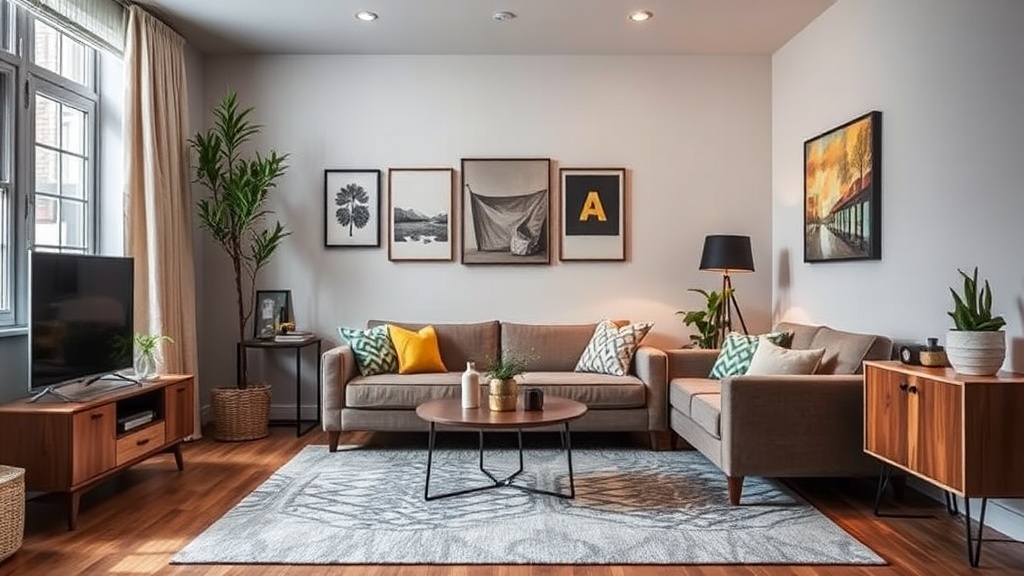
Smart Furniture Pieces That Transform Tiny Living Rooms from Cramped to Comfortable

When Every Square Foot Counts
You walk into your living room with a fresh cup of coffee, ready to settle onto the couch with a book—only to realize the coffee table is buried under magazines, the side chair blocks the walkway, and there's nowhere to set down your mug. In a tiny living room, standard furniture arrangements don't just feel awkward; they make daily life frustrating. The average small apartment living room measures between 150 and 250 square feet, which means every piece of furniture must earn its keep. That's where multi-functional furniture comes in—not as a trendy concept, but as a practical necessity for anyone who wants their small space to feel livable rather than limiting.
Multi-functional furniture isn't about compromise. When chosen thoughtfully, these pieces often work better than their single-purpose counterparts. A storage ottoman holds blankets and serves as extra seating. A wall-mounted desk folds away when guests arrive. The key is selecting items that solve multiple problems without creating new ones. Below are seven furniture categories that can fundamentally change how your tiny living room functions—no renovation required.
What Is the Best Seating for Small Living Rooms?
Traditional three-seat sofas dominate most living rooms by default, but they're often the wrong choice for tight spaces. A bulky sofa creates a visual wall that makes rooms feel smaller and eliminates flexibility. Instead, consider these seating alternatives:
Storage Ottomans as Primary Seating: Large, upholstered ottomans (36 inches or wider) function as coffee tables, footrests, and guest seating. Choose one with a hinged lid that stays open on its own—nobody wants to balance a tray while holding the lid up. Look for designs with interior dividers that keep items organized rather than creating a cavernous pit where things disappear forever.
Armless Settees: These bench-like sofas typically measure 48 to 60 inches wide—perfect for spaces where a standard sofa won't fit. Without arms eating up extra inches, they seat two people comfortably and maintain clean sightlines across the room. Pair with movable side tables instead of a central coffee table to keep traffic flow open.
Nesting Chairs: Instead of permanent accent chairs that consume floor space daily, nesting designs tuck underneath each other or slide under console tables when not in use. Some modern versions even hang on wall-mounted brackets, storing vertically like folding chairs—but looking far more polished.
Can a Coffee Table Actually Provide Storage?
The coffee table is usually dead space in small living rooms—a surface that collects clutter without contributing functionality. These alternatives flip that script:
Lift-Top Coffee Tables: The top rises to dining height, creating an instant workspace or dinner spot without needing a separate table. When shopping, test the lifting mechanism in person; cheap versions wobble or require awkward arm positions to operate. Quality lift-tops use hydraulic springs that make raising and lowering effortless.
Trunk-Style Tables: Vintage trunks or modern reproductions offer deep storage for items you don't need daily—seasonal decor, extra blankets, board games. The flat top works for drinks and display. Add felt pads underneath if you plan to move it occasionally for cleaning or reconfiguration.
C-Base Side Tables: These slide over sofa arms or chair seats, bringing surfaces directly to you. They're lightweight enough to reposition as needed and eliminate the need for a central coffee table entirely. Many designs include small drawers for remotes, coasters, and charging cables.
How Do You Create a Workspace in a Tiny Living Room?
Remote work isn't going anywhere, but dedicating precious square footage to a desk feels impossible in small homes. These solutions integrate work surfaces without dominating the room:
Wall-Mounted Drop-Leaf Desks: These attach directly to wall studs and fold down when needed, disappearing completely when closed. Install one behind the sofa or on an unused wall section. Add a small mirror above it, and the desk becomes a vanity when you're not working. The IKEA NORBERG wall-mounted drop-leaf table remains a popular budget option at around $40.
Sofa Console Desks: Narrow consoles (12 to 15 inches deep) sit behind sofas, creating workstations that don't interrupt room flow. Choose one with open shelving below for laptop storage, or add baskets to hide office supplies. When work ends, the surface becomes a spot for lamps, plants, or decorative objects.
Nesting Desk Sets: Some modern designs feature a small desk that slides completely under a larger one—or under the sofa itself. Pull it out when you need to work; tuck it away when you don't. These work particularly well for occasional computer use rather than full-time remote work.
What About Beds for Overnight Guests?
Guest rooms are a luxury most tiny home dwellers can't afford. That doesn't mean sending visitors to hotels:
Sleeper Sofas Have Evolved: Forget the metal bars and thin mattresses of decades past. Modern sleeper mechanisms use memory foam mattresses on solid platforms. The Room & Board sleeper collection offers genuine comfort, though prices run higher than budget alternatives. Test before buying—mattress thickness ranges from 4 to 6 inches, and that difference matters for multi-night stays.
Ottoman Sleepers: These look like standard storage ottomans but unfold into twin beds. They're perfect for single guests and store bedding inside. The mattress quality varies significantly by brand, so read reviews specifically mentioning comfort for actual sleeping (not just napping).
Murphy Bed Cabinets: Freestanding Murphy beds no longer require wall mounting or professional installation. Some modern versions look like armoires or sideboards by day and fold down to queen beds by night. The Wall Beds by Wilding offers cabinet beds that set up in minutes without attaching to walls.
How Can Vertical Storage Replace Bulky Furniture?
When floor space disappears, look up. Vertical storage solutions replace furniture pieces entirely:
Ladder Shelving Units: Leaning ladders take up minimal floor space while providing five to six shelves for books, plants, and display items. Unlike bookcases, they don't require clearance for doors to swing open. Secure them to wall studs with anti-tip hardware—especially important in homes with children or earthquake-prone regions.
Over-Door Organizers: Clear pocket organizers hanging over living room doors store remote controls, charging cables, notepads, and small electronics. They cost under $20 and eliminate the need for catch-all bowls on tabletops.
Floating Cube Shelves: Individual floating shelves mounted in staggered arrangements replace entire bookcases. Scatter them across available wall space rather than clustering furniture against one wall. Display decorative items alongside functional storage baskets.
Media Consoles That Do More Than Hold TVs
Television stands often become the room's largest furniture piece after the sofa. These alternatives maximize that real estate:
Storage Benches as TV Stands: Low storage benches (16 to 18 inches high) accommodate screens while providing seating when needed. Choose designs with flip-top lids rather than drawers—you'll appreciate the easy access when connecting cables or storing gaming equipment.
Secretary Desk Consoles: Traditional secretary desks feature fold-down writing surfaces above closed storage. Repurposed as media consoles, the drop-down door becomes a laptop workstation while the interior hides router equipment, gaming consoles, and cables. The closed front creates cleaner visual lines than open shelving.
Room Dividers That Add Function
In studio apartments, the living room often doubles as bedroom, office, or dining area. Instead of static partitions, consider:
Bookcase Dividers: Open-back bookcases create distinct zones without blocking light. Position one perpendicular to a wall to define a sleeping alcove or home office corner. Fill shelves with books facing both directions, or add woven baskets on the bedroom side for clothing storage.
Hanging Fabric Panels: Ceiling-mounted tracks with sliding fabric panels divide spaces temporarily. Open them during the day for spaciousness; close them at night for privacy. The hardware installs into ceiling joists and supports curtains or heavier acoustic panels depending on your sound insulation needs.
Plant Partition Walls: Tall plant stands with multiple shelves create green partitions that filter light beautifully. Arrange trailing pothos or snake plants for a living wall that defines spaces while purifying air. The vertical structure takes up minimal floor space while adding significant visual impact.
Choosing multi-functional furniture requires thinking through your actual daily routines—not imaginary ones. That convertible coffee table only helps if you'll realistically lift the top several times per week. The sleeper sofa makes sense for monthly guests, not annual holiday visits where an air mattress suffices. Start by identifying your biggest pain points: Where does clutter accumulate? What activities feel cramped? Which pieces do you move out of the way regularly? The answers point toward furniture solutions that genuinely improve life in your tiny living room.