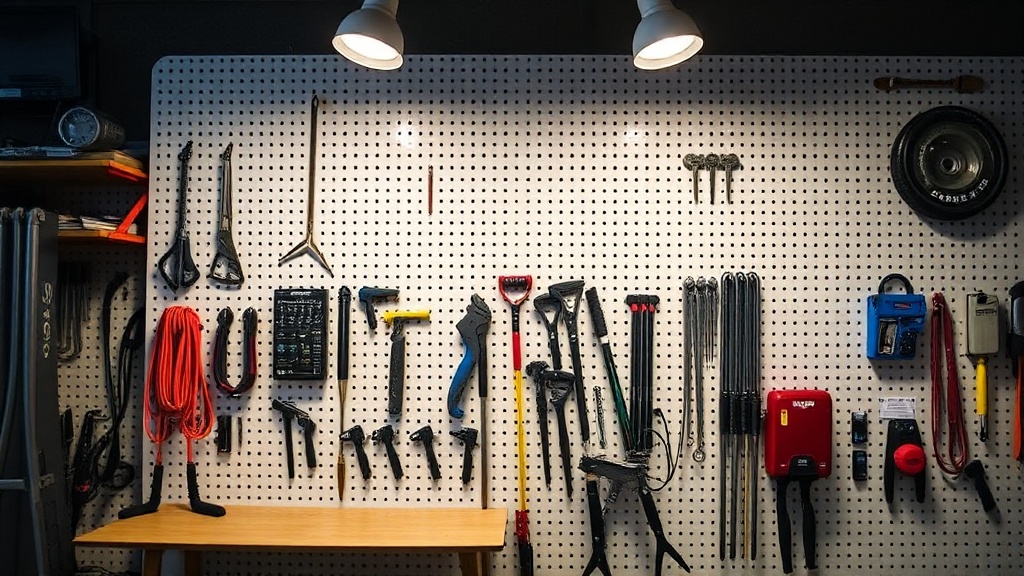
Maximizing Vertical Wall Space with Pegboard Systems

Why Wall Space Matters in a Small Home
Imagine walking into your tiny kitchen or workshop and seeing a single, cluttered countertop. A coffee maker sits next to a stack of mail, a jar of pens, and a tangled mess of charging cables. This isn't just a mess; it's a loss of usable surface area. In a small home, every square inch of a countertop or desk is a high-value commodity. When you run out of horizontal surface, you don't necessarily need more furniture—you need to look up. Pegboards offer a way to move your daily-use items from the tabletop to the wall, freeing up that vital workspace for what you're actually doing.
Using a pegboard isn't just about hanging tools or kitchen utensils; it's about creating a customized ecosystem that grows with your needs. You can swap out hooks for baskets, or shelves for rails, without ever drilling a new hole. It's a flexible, modular approach to living that keeps your most-used items within arm's reach while keeping your surfaces clear.
How do I choose the right pegboard material?
Not all boards are created equal, and picking the wrong one can lead to a frustrating experience. If you're looking to outfit a kitchen or a bathroom, moisture is your enemy. Standard particleboard pegboards tend to swell and degrade when exposed to humidity. For these areas, I recommend looking into metal or high-density plastic options. Metal pegboards are incredibly durable and offer a clean, modern aesthetic that works well in tiny houses or small apartments.
For a more traditional or rustic feel, wood is a great choice, but you must ensure it's treated or placed in a dry environment. If you're setting up a workshop area, heavy-duty steel is the standard. You want something that can handle the weight of heavy tools without bowing or snapping. Check out the various options at Home Depot or Lowe's to see the difference in thickness and material weight before you buy. A thinner board might look sleek, but it won't hold much weight once you start adding actual gear.
The Best Ways to Organize a Small Kitchen with Pegboards
The kitchen is often the most cluttered zone in a tiny home. You've got spoons, spatulas, measuring cups, and spices everywhere. A pegboard behind the stove or near the prep area can change the entire feel of the room. Instead of a junk drawer, you can have a dedicated station for your cooking tools.
- Hang Utensils: Use metal hooks to hang your whisks, ladles, and tongs.
- Spice Racks: Small baskets can clip onto the board to hold spice jars, keeping them off the counter.
- Coffee Station: Hang your mugs on hooks and keep your coffee pods in a small hanging bin.
By moving these items to the wall, you gain back several inches of counter space—which might be the difference between having enough room to chop vegetables or not. It turns a cluttered-looking space into a structured, intentional one.
Can I use pegboards for more than just tools?
Absolutely. While most people associate pegboards with garages or craft rooms, they are incredibly versatile in a living space. In a small bedroom, a pegboard can serve as a modular nightstand or a jewelry organizer. In a small entryway, it can hold your keys, sunglasses, and mail, keeping the small table by the door from becoming a dumping ground for your pockets.
The beauty is in the customization. You aren't stuck with a static shelf. If you decide you need more room for your headphones, you just move a hook. If you need a place for a small succulent, you add a tiny shelf. This adaptability is what makes them a staple for anyone living in a tiny home or a small studio apartment. It's about making the room work for you, rather than fighting against the constraints of the space.
Creating a Dedicated Hobby Station
If you have a hobby that requires a lot of small parts—like sewing, painting, or even electronics—a pegboard is a lifenseaver. Instead of a bulky-looking storage cabinet, a wall-mounted board keeps your supplies visible and organized. You can see exactly what you have, which means you won't buy duplicates of things you already own. This is a huge win for budget-conscious living.
I've seen people use these boards to organize everything from sewing threads to watercolor tubes. The key is to use specialized containers. Don't just hang loose items; use small tins, jars, or specialized bins that clip onto the board. This prevents things from falling off and keeps the look cohesive. It turns a messy hobby into a displayed collection.
What are the most effective ways to hang things on a pegboard?
To make this work, you need to think about the weight and the frequency of use. Items you use every single day, like your favorite coffee mug or your primary kitchen knife, should be at eye level and easily accessible. Items you use once a week can go higher or lower. Avoid overcrowding the board, or it will look messy and become difficult to use.
One trick I use is to group items by type. All your baking tools in one section, all your prep tools in another. This mental grouping makes it much faster to find what you need when you're in the middle of a task. Also, consider the depth of your hooks. If you're in a tight space, you don't want a long hook sticking out too far into your walking path. Opt for shorter, more streamlined hooks to keep the profile slim.
If you're looking for inspiration on layout and specific accessory types, a quick search on Pinterest can show you thousands of different ways to style these boards for both utility and aesthetics. You can find everything from minimalist white-on-white designs to rugged, industrial looks that fit a variety of home styles.