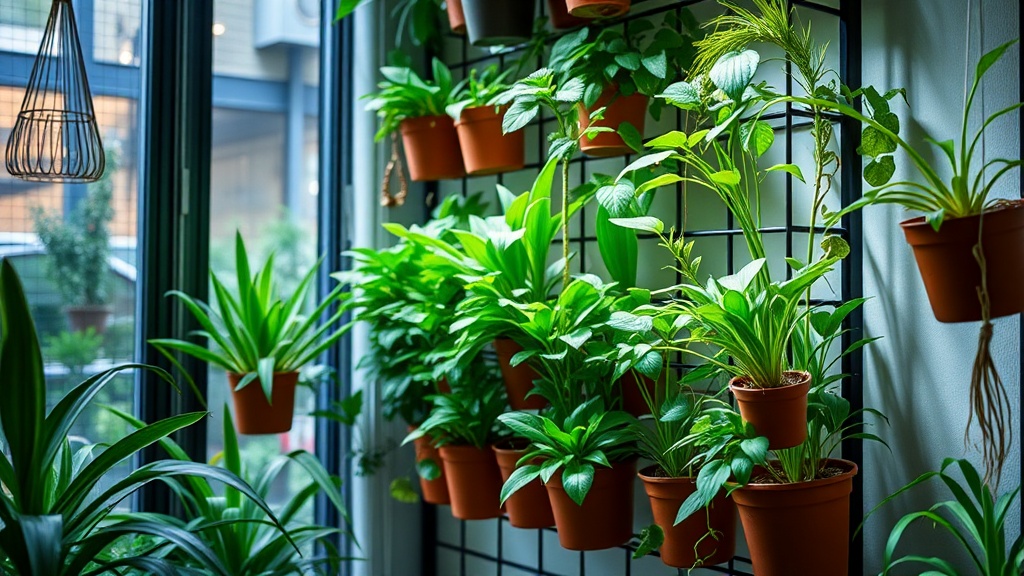
Building a Vertical Indoor Garden for Small Spaces

Why most indoor gardens fail in small homes
Most people think you need a sprawling backyard or a sun-drenched patio to grow your own food or greenery. They assume that indoor gardening is a luxury reserved for people with large, airy villas. This is a mistake. In a tiny home or a small apartment, the floor is your most expensive real estate—so stop wasting it on heavy ceramic pots and bulky planters. The real trick isn't finding more floor space; it's reclaiming your walls. Vertical gardening turns a blank-wall problem into a living, breathing feature of your home.
When you move your plants from the floor to the walls, you change the entire energy of a room. You're not just decorating; you're creating a functional ecosystem that provides fresh herbs, better air quality, and a sense of calm. This guide covers how to select the right structures, manage light, and build a system that won't ruin your walls with water damage.
What are the best plants for vertical indoor gardens?
Not every plant wants to climb a wall or hang from a ceiling. If you try to force a heavy, woody shrub into a vertical setup, you'll likely end up with a broken bracket and a mess. You need to categorize your plants by their growth habits. There are three main types of plants that thrive in these setups:
- Trailing Plants: Think Pothos or Philodendron. These are perfect for hanging pockets or high shelves where they can drape downward gracefully.
- Climbing Plants: Varieties like Heartleaf Philodendron or even certain types of climbing ivy love to wrap around a trellis or a support structure.
- Edible Herbs: Basil, Mint, and Chives work beautifully in vertical wall planters. They don't require deep soil, so a shallow-depth vertical system is perfect for them.
Keep in mind that light is your biggest variable. If your tiny home doesn't have many windows, you'll need to supplement with artificial light. Check out the NASA research on plant growth to understand how different light spectrums affect plant development. If you're growing edibles, you'll want more intense light than if you're just growing leafy greens.
How do I build a vertical garden without damaging my walls?
This is the part where most DIYers mess up. If you screw a heavy planter directly into your drywall, you're asking for a hole in your wall and a puddle on your floor. You have to think about moisture management. There are several ways to approach this depending on your skill level and budget.
The first method is the Modular Pocket System. These are felt or fabric pouches that hang from a single rod or a few hooks. They are lightweight and easy to move, but they can dry out quickly. If you use these, make sure you have a tray underneath or a way to catch any drips. The second method is the Wall-Mounted Rail System. This involves mounting a sturdy metal rail or a wooden ledge to the wall. You can then hang pots from the rail using S-hooks. This gives you much more stability and allows you to swap out plants easily.
| System Type | Pros | Cons |
|---|---|---|
| Felt Pockets | Cheap, lightweight, easy to install | Holds moisture poorly, can look messy |
| Rail & S-Hooks | Very sturdy, looks professional | Requires more hardware, heavier |
| Trellis & Climbing | Great for aesthetics, natural look | Takes time to grow, needs strong support |
If you're renting, skip the drills and screws. Use heavy-duty command hooks or a tension rod between two walls. This allows you to hang lightweight planters without permanent damage to the structure. For more detailed advice on plant health and light requirements, the The Spruce offers excellent resources on light needs for specific species.
How often do I need to water a vertical garden?
Watering a vertical garden is different from watering a standard potted plant. Because the plants are often improved, gravity is working against you. Water tends to drain from the top planters down to the bottom ones. This can lead to a "feast or famine" situation where the top plants are bone dry and the bottom plants are drowning in soggy soil.
To avoid this, I recommend a few specific habits. First, always check the soil moisture with your finger before adding more water. Second, if you are using a wall-mounted system, use a "wicking" method or a specialized self-watering pot. This ensures the water is distributed more evenly. Also, remember that vertical gardens often have much higher evaporation rates because of the airflow in the room. You might find yourself watering more frequently than you would with floor plants.
One way to prevent water damage is to ensure there is a gap between your planter and the wall. A small spacer or a piece of plastic backing can prevent moisture from seeping into the drywall. This is especially important if you are growing in a small space where humidity can build up quickly. If you see condensation forming on your walls, your vertical garden might be too much for your current ventilation setup.
Once you find the rhythm, a vertical garden becomes a low-maintenance part of your daily routine. It's not just about the plants; it's about creating a living piece of art that fits your specific square footage. Whether you use a simple hanging basket or a full-scale wall of herbs, the goal is to bring the outdoors in without sacrificing your precious floor space.