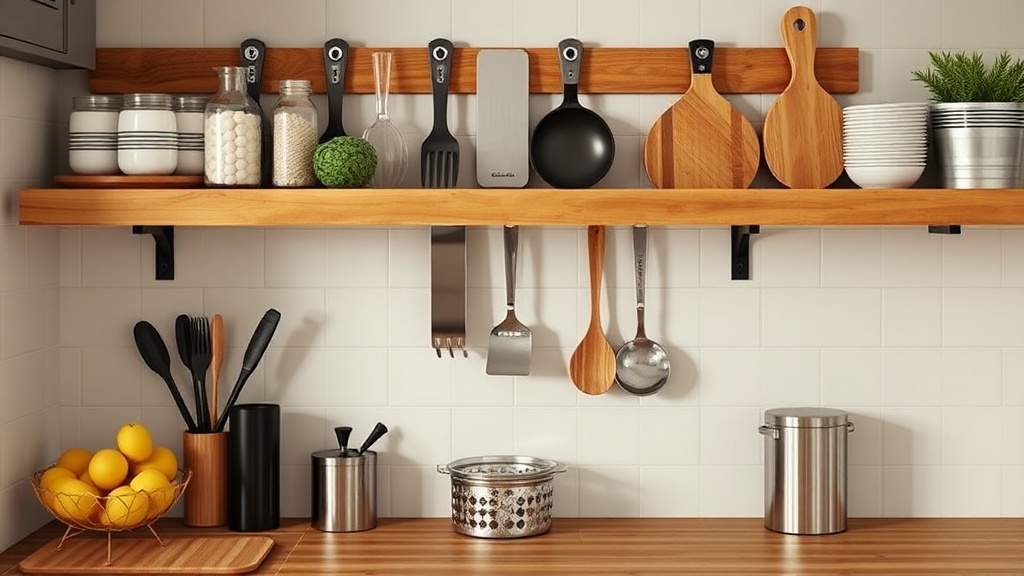
8 Clever Ways to Use Magnetic Strips for Tiny Kitchen Organization

Magnetic Knife Strips for Countertop Freedom
Vertical Spice Tin Displays
Magnetic Tool Rails for Small Gadgets
Organizing Metal Measuring Spoons
Hanging Keys and Small Metal Items
Magnetic Jar Lids for Herbs
Securing Metal Skillets and Utensils
Creating a Magnetic Menu Board
Most people think that magnetic strips are only for heavy-duty chef knives or workshop tools. That’s a mistake. In a tiny home, your vertical space is your most valuable real estate, and a magnetic strip is a way to reclaim countertop surface area that you'd otherwise lose to clutter. This post explores eight specific, practical ways to use magnetic strips to organize your kitchen, from spice management to utensil storage.
How Can I Use Magnetic Strips in a Tiny Kitchen?
You can use magnetic strips to mount metal objects directly to your walls or backsplash to free up drawer and counter space. It isn't just about knives. You can hang metal spice tins, tea infusers, or even small metal containers. If you have a small kitchen, every inch of wall space is a potential storage zone. By moving items from the counter to the wall, you keep your workspace clear and functional.
One of the best ways to start is with a heavy-duty magnetic bar. Brands like Magnetic Tool Organizer or Victor make high-quality strips that can hold significant weight. If you're worried about the weight, just ensure you're mounting them to a solid stud or using heavy-duty anchors. (I've seen people try to stick these to cheap backsplash tiles with adhesive only to have them fall—don't do that.)
1. The Spice Rack Revolution
Traditional spice jars take up way too much room in tiny cabinets. Instead, look for small, magnetic-backed metal tins. You can mount a strip right above your stove or prep area. This keeps your most-used spices—like sea salt, black pepper, or garlic powder—right at eye level. It also makes it much easier to see when you're running low on an ingredient.
2. Utensil Management
Standard utensil crocks are bulky. If you use metal tools like whisks, spatulas, or tongs, you can often find ways to make them magnetic. While not all spatulas are magnetic, many high-end stainless steel tools are. If you have a collection of metal measuring spoons, a magnetic strip is a perfect home for them. This keeps them from getting lost in the bottom of a deep drawer.
3. Knife Organization
This is the classic use case. A magnetic knife bar keeps your blades safe and accessible. In a tiny home, you don't want a knife block taking up a 6-inch square of your limited counter space. A slim strip mounted under a cabinet or on a side wall is much more efficient. Just make sure the strip is strong enough for your specific set of knives. A knife magnet should be rated for the weight of your heaviest blade.
4. Tea and Coffee Accessories
If you're a tea drinker, you likely have various infusers or small metal tins. A small magnetic strip near your kettle or coffee station can hold metal tea infusers or even small metal tins of loose-leaf tea. It looks neat and keeps your morning ritual organized without needing an entire shelf.
5. Clip and Bag Organization
Kitchen clips are great for keeping food fresh, but they are a nightmare to store. If you use metal bulldog clips or heavy-duty magnetic clips, you can hang them on a strip. This is a great way to keep bags of coffee or flour accessible but off the counter. It’s a simple trick, but it works.
6. Measuring Cup Storage
Metal measuring cups are a staple, but they often get buried. A magnetic strip can hold the larger-sized metal cups if they have a steel composition. This is a great way to integrate them into your vertical storage plan. If you're looking for more ways to save space, check out my guide on space-saving hacks for small homes.
7. Small Metal Tools and Gadgets
Think about those small, easily lost items like citrus zesters, egg slicers, or even small metal tweezers. These items often end up in the "junk drawer." By having a dedicated magnetic zone, you keep these tools visible and ready to use. It keeps your workspace organized and prevents the "where did I put that?" frustration.
8. Creating a Vertical Herb Garden
While not a traditional magnetic strip use, you can use magnetic metal planters to create a vertical garden. If you have a metal backsplash or a metal tray mounted to the wall, you can use magnetic-backed pots to grow small herbs. This is a great way to bring greenery into a small space without needing a windowsill. For more ideas on small-scale greenery, see my post on creating a functional indoor herb garden.
What Is the Best Type of Magnetic Strip for Kitchen Use?
The best type of magnetic strip depends on whether you want to mount items directly to the bar or use magnetic containers. For heavy items like knives, a solid wood block with embedded magnets is often the most durable and aesthetic choice. For lightweight items like spices or clips, a thin, adhesive-backed metal strip works perfectly well.
| Item Type | Recommended Strip Style | Benefit |
|---|---|---|
| Chef Knives | Heavy-duty Wood/Magnet Block | Durability and weight support |
| Spice Tins | Slim Metal Strip | Minimal footprint |
| Measuring Spoons | Small Magnetic Strip | Easy visibility |
| Kitchen Clips | Adhesive Metal Strip | No drilling required |
How Much Does a Magnetic Organization System Cost?
A magnetic organization system can cost anywhere from $10 to $100 depending on the quality and length of the strips you buy. A basic, adhesive-backed metal strip for clips might only be $10, while a high-end, professional-grade magnetic knife bar from a brand like Wüsthof can be much more expensive. Most of the items listed here are very budget-friendly additions to a tiny home setup.
When you're shopping, don't just look at the price. Look at the magnet strength and the mounting method. If you're in a rental or a tiny house on wheels, you might want something that doesn't require drilling into your walls. Adhesive strips are great for that, but they have their limits regarding weight. Always check the weight capacity before you buy. It's a small detail, but it saves a lot of headache later.
One thing to keep in mind is the material of your kitchen surfaces. If you have a stainless steel backsplash, you might not even need a strip—the backsplash itself becomes the organizer! This is a huge advantage in tiny living. You can use magnetic spice tins or clips directly on the steel surface. It's a free way to add organization without buying extra hardware.
If you're looking to upgrade your kitchen's look while adding function, consider how these strips blend in. A sleek, black magnetic strip can look very modern and intentional, rather than looking like an afterthought. It's about making your small space work for you, rather than fighting against it. It's a simple shift in how you view your walls, but it makes a massive difference in daily usability.