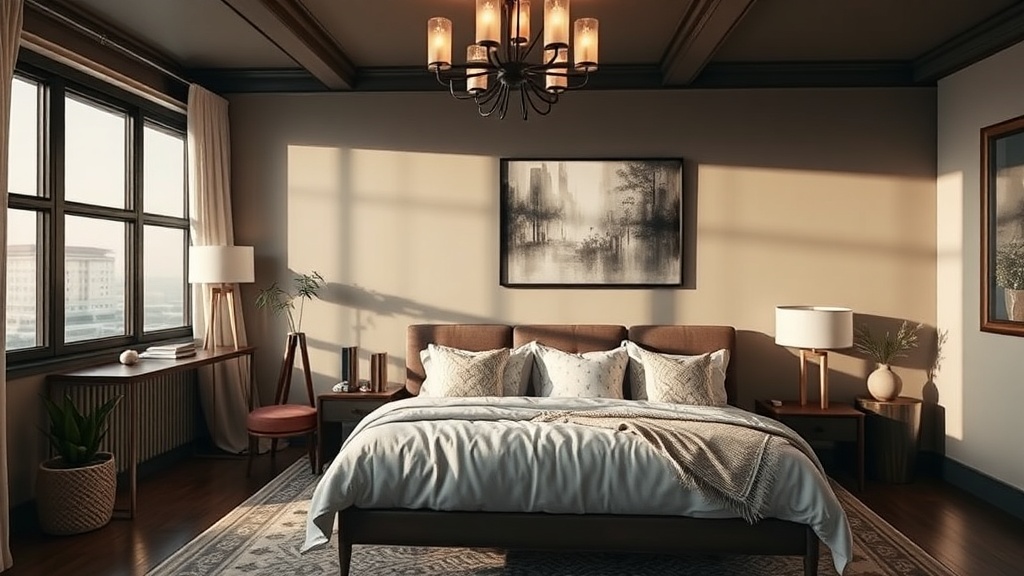
6 High-Impact Upgrades for a Luxury Feel on a Tiny Budget

Swap Standard Hardware for Designer Knobs
Layer Textures with High-Quality Linens
Install Statement Pendant Lighting
Use Large Mirrors to Create Depth
Add Natural Elements with Indoor Greenery
Refresh Walls with Sophisticated Paint Tones
You are about to learn how to transform a cramped or basic tiny home into a high-end living space using low-cost, high-impact upgrades. This guide focuses on six specific areas—lighting, hardware, textiles, paint, greenery, and smart organization—that trick the eye into seeing more space and luxury. We aren't talking about expensive renovations; we're talking about strategic, budget-friendly swaps that change the entire vibe of your home.
How Can You Improve Lighting on a Budget?
Replacing harsh, single-bulb overhead lights with layered lighting is the fastest way to make a tiny home feel expensive. Most tiny homes rely on a single, bright light source that flattens the room and makes it feel clinical. Instead, you want to create "zones" of light.
Start with warm LED strips under cabinets or along baseboards. This creates a glow that adds depth to the corners of your room. If you have a loft area, a simple battery-operated sconce can add a high-end feel without the need for an electrician. I personally love using IKEA's smart lighting systems because they allow you to change the warmth of the light via your phone. A warm, amber glow makes a space feel cozy; a cool, blue light makes it feel like a hospital room.
Don't forget the power of a single statement lamp. Even a small, well-placed lamp on a side table can act as an anchor for a room. It's a small detail, but it makes a massive difference in how "finished" a room looks.
What Are the Best Ways to Upgrade Cabinet Hardware?
Swapping out standard, builder-grade knobs and pulls for high-quality hardware is a low-effort way to upgrade your kitchen or bathroom. You can find incredibly stylish options at hardware stores that look far more expensive than they actually are.
If your kitchen feels dated, look for brushed brass or matte black pulls. These finishes are currently very popular in high-end interior design. The key is to stay consistent. If you use brass in the kitchen, try to find a similar metal tone for your bathroom fixtures. It ties the whole house together.
Quick Hardware Guide:
- Matte Black: Great for a modern, industrial look.
- Brushed Brass: Adds warmth and a sense of "old money" luxury.
- Polished Chrome: Clean, classic, and very easy to clean.
- Leather Pulls: Perfect for a rustic or bohemian tiny home aesthetic.
It’s a small change, but it's one of those things people notice immediately when they walk in. It shows you actually cared about the details.
How Much Does It Cost to Upgrade Your Textiles?
High-quality fabrics can make a tiny home feel like a boutique hotel rather than a mobile box. You don't need to spend thousands, but you should move away from cheap, synthetic materials that look shiny or flimsy.
Think about linen, cotton, and wool. A linen throw blanket over the end of a bed or a heavy cotton rug on the floor adds texture. Texture is the secret weapon of interior design. A flat room feels small; a textured room feels expensive. (And yes, even in a tiny home, you can afford a nice rug!)
When choosing pillows, look for high-density inserts. A pillow that stays flat looks cheap. A pillow that holds its shape looks premium. If you're tight on space, remember that textiles can also be functional. A heavy curtain can hide a storage area or a messy corner, making the room look much cleaner.
If you are looking for ways to manage your space more effectively so your textiles don't clutter the room, check out my post on 7 vertical storage hacks. It helps keep the floor clear so your new decor can actually be seen.
Does Paint Color Change the Perceived Size of a Room?
Yes, the right paint color can make a tiny home feel much larger or significantly more intimate. Light, neutral colors reflect more light, which makes a room feel airy and expansive. Dark, moody colors can make a room feel smaller, but they also add an incredible sense of luxury and "cocooning" if used correctly.
Instead of just painting walls, consider painting your trim or even your ceiling a slightly different shade. This adds depth. If you have a small kitchen, painting the cabinets the same color as the walls can actually make the space feel larger because the visual breaks are removed. It's a trick used by professionals to create a seamless look.
One thing to watch out for: don't go too heavy on the gloss. A matte or eggshell finish is much more forgiving and looks far more sophisticated in a small space. High-gloss paint shows every bump and imperfection in your walls—and in a tiny home, those imperfections are often visible.
How Can Greenery Add Value to a Tiny Space?
Plants are a low-cost way to add life, color, and texture to your home. They make a space feel lived-in and "designed" rather than just "stored." A single large plant in a corner can act as a focal point, while smaller plants on a shelf can fill empty gaps.
However, be careful with the scale. A massive, bushy plant can quickly overwhelm a tiny room and make it feel even smaller. Opt for plants that grow vertically rather than horizontally. A Sansevieria (Snake Plant) is a great choice because it stays relatively slim and is incredibly hard to kill. If you have a lot of shelf space, you might want to look into repurposing crates for shelving to display your greenery.
Adding a bit of nature brings an organic element that softens the hard lines of a tiny home's construction. It makes the transition from "vehicle" or "structure" to "home" feel much more natural.
How Do You Use Organization to Create a Luxury Feel?
Clutter is the enemy of luxury. In a tiny home, even a small amount of clutter can make the entire space feel chaotic. To achieve a high-end look, you need to hide the "stuff" and highlight the "decor."
This means moving away from open bins and moving toward hidden storage. If you can see your mail, your charging cables, and your half-empty snack bags, the room will never feel luxurious. Use beautiful baskets or decorative boxes to hide daily items. Even a simple wooden tray on a coffee table can turn a pile of items into a "styled" moment.
Comparison of Organization Styles:
| Style | Pros | Cons |
|---|---|---|
| Open Shelving | Makes space feel open | Looks messy quickly |
| Closed Cabinetry | Hides clutter perfectly | Can feel heavy/enclosed |
| Decorative Baskets | Adds texture and style | Takes up physical space |
The goal is to be intentional. Every item you display should be something you actually like looking at. If it's just a functional item, find a way to tuck it away. I've spent a lot of time thinking about how to manage small spaces, and I highly recommend looking at maximizing storage in a tiny kitchen to keep your surfaces clear.
When your surfaces are clear, your home feels larger. When your home feels larger, it feels more expensive. It's a simple psychological trick that works every time.