5 Space-Saving Hacks That Make Tiny Living Feel Spacious

Install Floor-to-Ceiling Floating Shelves
Invest in Multi-Functional Murphy Beds
Utilize the Space Under Your Stairs
Hang Pots, Pans, and Utensils on Walls
Choose Furniture with Built-In Storage
Living in a tiny home doesn't mean living cramped. This post covers five proven space-saving strategies that transform tight quarters into functional, airy spaces. You'll learn practical hacks for storage, furniture, and layout—backed by real products and examples from experienced tiny home dwellers. Whether you're downsizing to a studio apartment or building a 400-square-foot dream home, these ideas help you reclaim square footage without sacrificing comfort or style.
What's the Best Furniture for Tiny Homes?
Multi-functional furniture is the single best investment for tiny home living. Pieces that serve two (or three) purposes eliminate the need for extra items, freeing up valuable floor space and reducing visual clutter.
Wall beds—also called Murphy beds—remain the gold standard for space efficiency. The Lori Wall Bed operates without a mechanical lifting mechanism, which means fewer parts to break and a lower price point than traditional options. During the day, the bed folds up to reveal a desk or seating area. At night, it drops down for sleep. Simple.
Convertible coffee tables offer another smart solution. The West Elm Mid-Century Pop-Up Storage Coffee Table lifts to dining height, eliminating the need for a separate dining table. That said, you'll want to measure carefully—some lift-top tables need clearance behind them to function properly.
Nesting furniture works wonders in tight spaces. The IKEA RÅVAROR series includes stools and side tables that tuck neatly under larger pieces. When guests arrive, pull them out. When they leave, stash them away. No permanent footprint.
Sofa beds have evolved beyond the lumpy pull-outs of the past. The Article Sven Sofa offers a sleeper option with clean lines and genuine leather upholstery—it doesn't scream "guest bed" when folded up. Here's the thing though: test the mattress before committing. Some compact sofa beds sacrifice comfort for dimensions.
How Do You Create Storage in a Tiny House?
Vertical storage transforms dead wall space into functional real estate. In tiny homes, every inch counts—walls, backs of doors, ceilings, and even toe-kick areas become storage opportunities.
Magnetic strips work harder than you might expect. A Wallniture Stainless Steel Magnetic Knife Strip mounted in the kitchen holds knives, scissors, bottle openers, and even small metal spice tins. The result? Clear counter space and instant access to tools.
Over-door organizers aren't just for shoes anymore. The SimpleHouseware Over Door Organizer features clear pockets perfect for pantry items, cleaning supplies, or bathroom toiletries. Worth noting: check door clearance before buying—some tiny home doors sit flush against walls when opened.
Corner shelves exploit the most underutilized spaces in any room. Floating corner shelves from CB2 or West Elm turn awkward angles into display areas or book storage. Install them high (near the ceiling) for items you rarely need, or at eye level for daily essentials.
Under-bed storage containers slide beneath platform beds to hold linens, out-of-season clothing, or emergency supplies. The IRIS USA Under Bed Storage Box includes wheels for easy access—because if storage is hard to reach, you won't use it.
Storage Solution Comparison
| Storage Type | Best For | Cost Range | Installation |
|---|---|---|---|
| Magnetic strips | Kitchen tools, small metal items | $15-$40 | Simple—screws or adhesive |
| Over-door organizers | Pantries, bathrooms, closets | $20-$60 | None—hangs over door |
| Floating corner shelves | Books, decor, plants | $30-$150 | Moderate—requires studs/anchors |
| Under-bed containers | Linens, clothing, seasonal items | $25-$80 | None—slides under bed |
| Wall-mounted pegboards | Tools, craft supplies, kitchen gear | $20-$100 | Moderate—wall mounting required |
How Can You Make a Small Room Look Bigger?
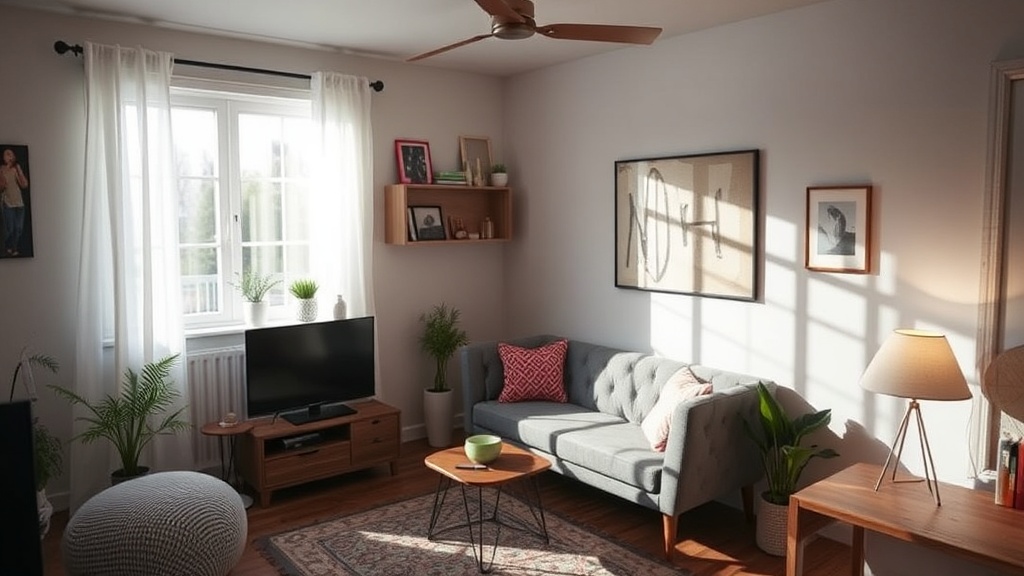
Light colors and strategic mirrors create the illusion of space. Pale walls reflect natural light, making rooms feel open and airy—while dark colors absorb light and visually shrink spaces.
Mirrors positioned opposite windows amplify daylight throughout a room. The IKEA HOVET Mirror—a full-length aluminum-framed option—leaned against a wall or mounted vertically doubles the perceived depth of any space. The catch? Keep mirrors clean. Smudges and dust negate the effect.
Leggy furniture (pieces with visible legs rather than solid bases) creates visual breathing room. A sofa or chair raised on tapered legs reveals more floor area, tricking the eye into seeing additional space. The Article Timber Sofa demonstrates this perfectly—its walnut legs lift the body several inches off the ground.
Consistent flooring throughout a tiny home eliminates visual breaks that chop up space. Rather than switching from tile to wood to carpet between rooms, stick with one material. If you're renting, large area rugs in similar tones achieve a similar unifying effect.
Mounting curtains high and wide frames windows dramatically. Install rods 6-12 inches above the window frame and extend them past the sides. When open, curtains stack against the wall rather than blocking precious window real estate. Apartment Therapy offers excellent visual guides for proper curtain placement in small spaces.
Hack #1: The Hidden Kitchen Office
Tiny homes rarely include dedicated office space—yet most people need somewhere to manage bills, work remotely, or handle correspondence. The solution? A fold-down desk integrated into kitchen cabinetry.
The Drop Leaf Desk from Wallbeds by Wilding attaches to any wall and folds flat when not in use. Add a magnetic bulletin board above it for notes and calendars. When closed, it disappears completely. When open, it provides a 24-inch-deep workspace—enough for a laptop and coffee cup.
Pair this setup with a folding chair that stores in a nearby closet (or hangs on a wall hook). The IKEA FRÖSVI Folding Chair weighs under 10 pounds and folds to less than 4 inches deep. You're not sacrificing ergonomics for an entire workday—this setup works for focused 2-3 hour sessions.
Hack #2: Ceiling-Mounted Storage
Floors and walls aren't the only storage surfaces—ceilings offer surprising potential. In kitchens, hanging pot racks from Enclume suspend cookware overhead, clearing cabinet space for other items. The Enclume Premier Low Ceiling Oval Pot Rack works in spaces with 8-foot ceilings or higher.
Overhead garage-style storage platforms work inside tiny homes too. Mounted in sleeping lofts or above bathrooms, these metal grids hold luggage, camping gear, or seasonal decorations. The Fleximounts Overhead Garage Storage Rack supports up to 600 pounds when properly anchored to ceiling joists.
Bikes and sports equipment also belong overhead. Ceiling-mounted hooks from Delta Cycle hoist bicycles, kayaks, and surfboards out of the way. You'll need a step stool to access them—but that's a small price for reclaimed floor space.
Hack #3: The Transforming Bathroom
Bathrooms in tiny homes present unique challenges. Wet baths (where the shower and toilet share one waterproof space) save space but require creative thinking.
A wall-mounted sink with a folding door creates a vanity when needed and open floor space when not. The IKEA LILLÅNGEN Sink Cabinet includes a shallow profile—just 10 inches deep—perfect for narrow bathrooms. Install a folding shower seat (like the Teakworks4u Wall-Mounted Fold Down Shower Seat) rather than a permanent bench. It supports weight when deployed and folds flat against the wall otherwise.
Corner shower caddies maximize vertical storage in tight wet baths. The OXO Good Grips Quick-Extend Aluminum Pole Caddy extends from floor to ceiling without drilling—ideal for renters or anyone avoiding permanent modifications.
Retractable clotheslines strung across bathrooms provide drying space that disappears when not in use. The Household Essentials Retractable Clothesline mounts on one wall and extends 40 inches to the opposite wall. Air-drying clothes saves energy and reduces wear on fabrics compared to machine drying.
Hack #4: Built-In Everything
Custom built-ins exploit every odd angle and awkward nook in a tiny home. Unlike freestanding furniture, built-ins don't require clearance space around them—they're integrated into the architecture itself.
Window seats with storage underneath transform bay windows into functional seating and hiding spots. Add a hinged lid (with soft-close hinges—your fingers will thank you) for access to blankets, board games, or off-season clothing. Cushions from West Elm or custom-cut foam from FoamOrder.com complete the look.
Stair drawers in lofted tiny homes turn each step into a pull-out drawer. The Tansu Stairs by Humble Homes demonstrates this concept beautifully—each riser opens to reveal storage for shoes, pantry items, or cleaning supplies. That said, stairs with drawers require precision craftsmanship. Poorly constructed versions stick, sag, or fail entirely.
Headboard niches eliminate nightstands. Build a shallow shelf (4-6 inches deep) into the wall behind the bed for books, phones, and glasses. Add USB outlets for charging. You lose zero floor space and gain convenient storage.
Hack #5: Outdoor Living Rooms
The smartest tiny home dwellers extend their living space outdoors. A covered deck or patio effectively doubles usable square footage during favorable weather.
Weather-resistant furniture that folds flat stores easily when not in use. The IKEA ÄPPLARÖ Table and 2 Folding Chairs set includes acacia wood pieces treated for outdoor use. Folded, the entire set occupies less than 12 inches of wall depth.
Retractable awnings from SunSetter provide shade and rain protection without permanent structures. Motorized versions extend and retract with a remote—no wrestling with canvas and poles. Install one over a deck or patio to create an outdoor dining room, office, or lounge.
Vertical gardens on exterior walls bring greenery without sacrificing interior floor space. The Florafelt Vertical Garden Planter mounts to any wall and holds 12 plants in pockets made from recycled plastic bottles. Herbs, succulents, and trailing vines thrive in these systems—fresh basil for cooking, grown on your exterior wall.
Tiny living demands intentionality. Every item must earn its place. Every square foot serves multiple purposes. These five hacks—multi-functional furniture, vertical storage, visual tricks, built-ins, and outdoor extensions—transform cramped spaces into comfortable homes. Start with one approach, master it, then add another. Small steps (in small spaces) lead to big results.