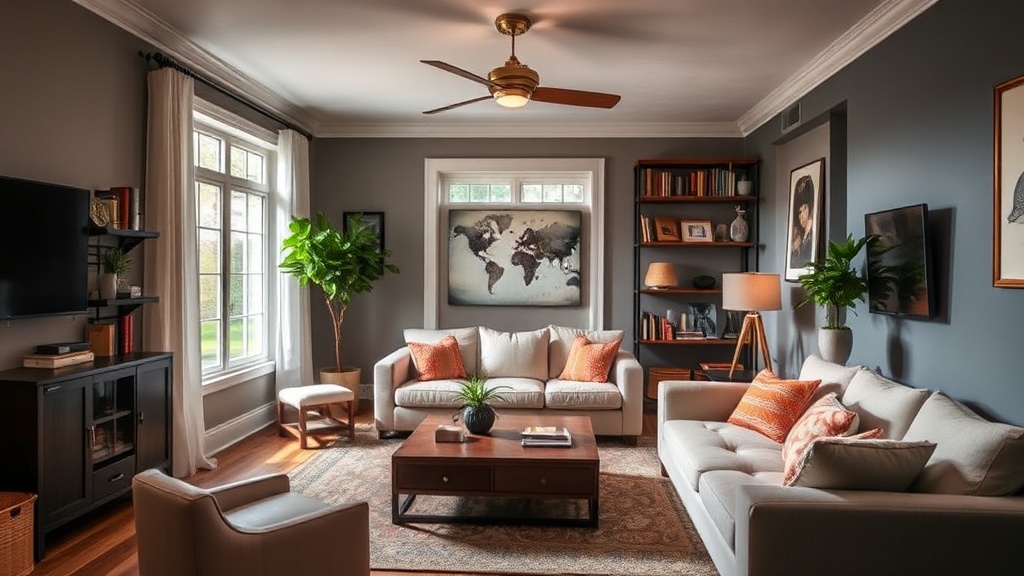
12 Unexpected Ways to Carve Out Extra Living Space Without Renovating

How Much Space Are You Actually Wasting?
The average American home has swelled to over 2,400 square feet—yet we're drowning in stuff, and over 10% of households now rent external storage units. That's billions of dollars spent housing belongings we rarely see. But here's what most tiny home dwellers figured out years ago: the problem isn't square footage—it's how you use what you've got.
This listicle isn't about knocking down walls or hiring contractors. It's about the overlooked, underutilized pockets of space hiding in plain sight—gaps, voids, and dead zones that most people walk past a dozen times daily. From the six inches above your windows to the hollow interior of your staircase, we'll explore twelve proven strategies for reclaiming real estate you already own. No permits required.
1. The Six-Inch Void Above Your Windows
That narrow gap between your window frame and ceiling? It's prime storage territory. Install a shallow shelf—four to six inches deep—and suddenly you've got a home for books, plants, or decorative storage boxes. In a tiny home, every horizontal surface counts. This spot stays out of the main sightline, so it won't clutter your visual space, yet it's accessible with a small step stool.
Pro tip: Paint the shelf the same color as your walls. It recedes visually while still doing heavy lifting. I've seen this single addition add the equivalent of a small bookcase's worth of storage without eating an inch of floor space.
2. The Back of Your Interior Doors (Beyond the Basics)
Everyone knows about over-the-door shoe organizers. But think bigger—literally. The back of a standard interior door offers roughly 20 square feet of vertical real estate. Custom-cut pegboard panels can transform this dead zone into a command center for craft supplies, jewelry, or even lightweight kitchen tools.
Mount small mesh baskets for produce that doesn't need refrigeration. Hang a fold-down ironing board. Add magnetic strips for knives or tools. The key is choosing low-profile solutions—anything deeper than four inches will interfere with door swing and create a hazard.
Weight Considerations
Standard door hinges can handle about 10-15 pounds of added weight. If your storage solution pushes beyond that, upgrade to heavy-duty hinges or redistribute the load across multiple doors.
3. Toe-Kick Drawers: The Last Place Anyone Looks
The four-inch gap beneath your kitchen cabinets—called the toe-kick—exists to give your feet room while you work at the counter. But it's hollow. And in most installations, it's completely wasted.
Retrofit drawers into this space and you've just gained storage for baking sheets, cutting boards, or pet bowls. Companies like IKEA sell toe-kick drawer kits, or a competent DIYer can build custom versions for less than $30 in materials. The best part? Guests will never know they're there.
4. The Hollow Island (or Peninsulas With Potential)
That solid-looking kitchen island? It's probably 70% empty space wrapped in decorative panels. Remove the decorative facing on the non-working sides and install shelving or shallow drawers. Store rarely-used appliances, bulk dry goods, or seasonal items.
If you're renting, adhesive peel-and-stick wallpaper can hide the modification from landlords—and remove cleanly when you leave. Just avoid drilling into structural elements or plumbing.
Can You Really Store Things Under Your Bed Without It Looking Messy?
Under-bed storage has a bad reputation—and deservedly so. Most solutions look like exactly what they are: plastic bins shoved under furniture, collecting dust and screaming "I ran out of closet space." But it doesn't have to be this way.
Platform beds with built-in drawers look intentional. Custom rolling bins with fabric covers blend seamlessly. Even better: a bed frame raised on six-inch furniture risers creates space for shallow storage containers while maintaining a clean sightline. The trick is consistency—use matching containers, not a hodgepodge of random boxes you've accumulated over years.
5. Staircase Storage: Every Step Counts
If your tiny home has a loft—and stairs to reach it—you're sitting on a goldmine. Each stair tread can become a drawer. The landing can house a mini-closet. The void beneath the entire staircase? That's pantry potential, office nook territory, or a perfect spot for a compact washer-dryer combo.
Pull-out drawers in stair risers work best for lightweight items: shoes, linens, seasonal clothing. Heavier storage belongs in the larger cavity beneath the stairs themselves. Just ensure any modifications don't compromise structural integrity—consult a carpenter if you're cutting into existing framing.
6. Window Seat Hollows
That bay window with the built-in bench everyone loves? Pop the top and look inside. Most are empty boxes. Even a shallow window seat—12 inches deep—offers storage equivalent to a large dresser drawer. Deeper versions can house file cabinets, hobby supplies, or bedding.
Hinge the seat top rather than lifting it off entirely—you'll use it more if access takes one hand instead of two. Add soft-close hinges to prevent slamming (and pinched fingers).
Why Do Tiny Homes Waste So Much Ceiling Space?
Standard ceiling height in residential construction is eight feet. Most adults reach about seven feet. That leaves an entire foot of vertical space—running the perimeter of every room—completely untouched.
Ceiling-mounted storage racks, installed properly into joists, can hold seasonal items, luggage, or camping gear. In kitchens, hanging pot racks bring cookware into the unused zone while freeing cabinet space below. The key is keeping the center of the room open—low ceilings feel higher when the edges are busy and the middle is clear.
7. Behind-the-Mirror Cabinets
Medicine cabinets are making a comeback—but not the bulky, fluorescent-lit versions from the 1980s. Modern recessed medicine cabinets sit flush with the wall surface, offering four to six inches of storage depth without protruding into the room.
Install them in unexpected places: above a desk for office supplies, in entryways for keys and mail, even in kitchens for spices. The mirror front reflects light and visually expands the space—a double win in tight quarters.
8. The Gap Beside Your Refrigerator
Most refrigerators leave a two to four-inch gap between the appliance and the wall or cabinetry. This isn't a mistake—it's necessary for ventilation and door swing. But that gap is deep, and it's doing nothing.
Roll-out pantry units designed specifically for this space turn dead air into storage for canned goods, cleaning supplies, or wine bottles. They're narrow (typically three inches wide), on casters for easy access, and can hold surprising volume. The Container Store and similar retailers offer options from $30 to $100.
9. Window Sills as Workspace
Deep window sills—six inches or more—can become impromptu standing desks, plant shelves, or display ledges. In bedrooms, they hold charging stations. In bathrooms, they corral daily-use toiletries without consuming counter space.
If your sills are shallow, consider a custom extension that sits on top. A piece of finished wood, cut to size and secured with removable adhesive strips, adds functionality without permanent modification.
Is There Hidden Storage in Your Furniture Itself?
Ottomans with lids. Coffee tables with lift-tops. Beds with hydraulic lifts. Dining benches with compartments. The furniture industry has responded to the tiny living movement with dual-purpose pieces that don't look like storage—they look like normal furniture.
The key is accessibility. If getting to your stored items requires moving three things and unscrewing a panel, you won't use it. Prioritize solutions with one-motion access: lift the lid, pull the drawer, swing the door. Test mechanisms in person when possible—cheap hardware fails fast, and a stuck storage ottoman is just a heavy box.
10. Overhead Cabinet Space in Bathrooms
Bathroom vanities typically stop twelve inches short of the ceiling. That gap collects dust and decorative items that never get touched. Extend cabinets to the ceiling—or install open shelving in that void—and you've gained storage for backup toiletries, towels, or cleaning supplies.
Keep daily-use items on lower shelves. Reserve the upper reaches for backups and occasional-use products. A small step stool, hung on the back of the door, makes access easy without permanent footprint.
11. The Side of Your Cabinets
Cabinet sides facing into the room—at the end of a run, or on a kitchen island—are often blank panels. Mount narrow spice racks, towel bars, or magnetic knife strips here. Add a small rail system for hanging utensils, pot holders, or even small potted herbs.
This strategy works best when color-matched to the cabinetry. Contrasting materials can look cluttered; integrated solutions look intentional.
12. Vertical Gaps in Closets
That eight-inch gap between your closet rod and the shelf above? It's probably stuffed with random items you never see. Install secondary rods halfway between the main rod and shelf, or add pull-down hanging rods for double-decker clothing storage.
For shelves with excessive vertical clearance, add stackable shelf inserts to create two levels where there was one. Most closets have 30-40% more usable space than their owners realize—the challenge is seeing the gaps with fresh eyes.
The spaces I've described aren't theoretical. They're in your home right now, hiding in plain sight, waiting to be claimed. Start with one. Measure carefully. Choose solutions that match your actual habits—not the aspirational version of yourself who maintains elaborate organization systems. Real storage works with how you already live. Everything else is just expensive clutter in disguise.